Overview
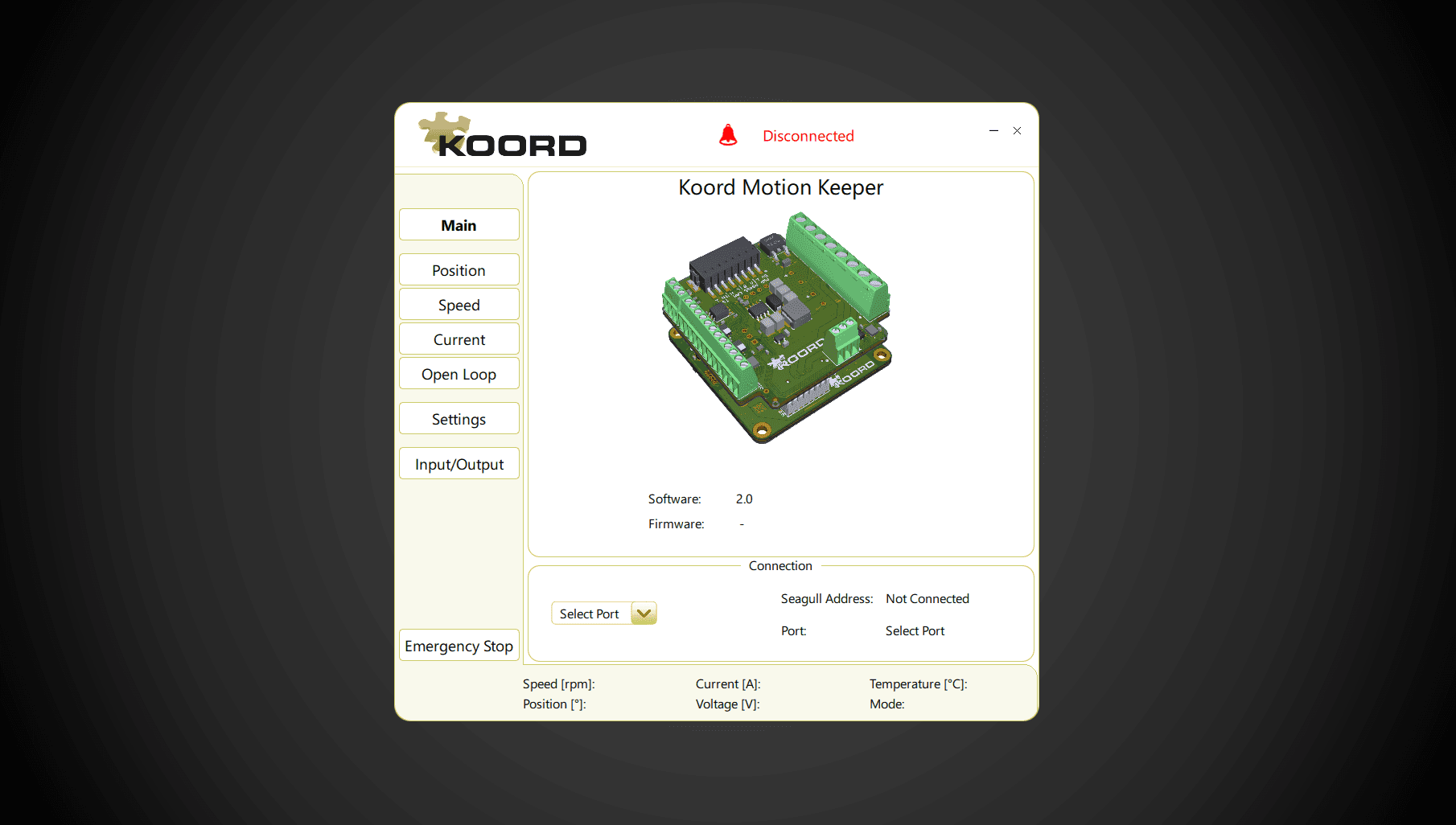
In this project, I developed KMK, an educational software designed to help students understand the principles of engine control systems, specifically focusing on PID (Proportional, Integral, Derivative) control. Utilizing Qt and Python, the software provides an interactive learning experience that simulates real-world engine control scenarios. The goal was to create a user-friendly platform that enhances students' comprehension of PID control mechanisms and their applications in engineering.
Challenges and Learnings
One key challenge in developing KMK was ensuring that the software effectively communicated complex PID control concepts while remaining user-friendly for students. To address this, I focused on creating intuitive user interfaces and interactive simulations that simplified the learning experience. Additionally, integrating real-time feedback through Qt Plot required careful consideration of performance and responsiveness, leading to valuable insights into optimizing graphical representations for educational purposes. Collaborating with educators to gather feedback during development was instrumental in refining the software to meet students' needs effectively.
Outcome
KMK has successfully become a valuable educational tool for students learning about engine control systems. The software enhances understanding of PID control principles through hands-on interaction and visualization, resulting in improved comprehension and retention of key concepts. Educators have reported positive feedback on the software's effectiveness in the classroom, noting that it fosters a more engaging and interactive learning environment. Overall, KMK has established itself as a foundational resource for teaching PID control, paving the way for future enhancements and broader applications in engineering education.